Overview of Turkey’s Electronics and White Goods Sector
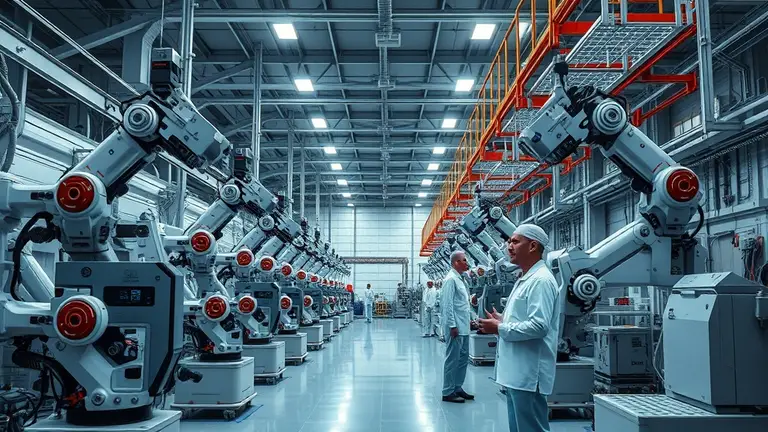
Turkey has established itself as one of Europe’s largest production centers for consumer electronics and white goods (major household appliances). The country’s strategic geographic position, competitive manufacturing cost structure, and proximity to European markets have attracted significant domestic and foreign investment in this sector over the past two decades. Major Turkish brands including Arcelik, Beko, and Vestel have grown into multinational manufacturers with production facilities serving both domestic and international markets.
The sector encompasses a broad range of products including refrigerators, washing machines, dishwashers, ovens, air conditioners, televisions, and small household appliances. Turkey’s production capacity has made it a significant exporter, with substantial volumes shipped to European Union countries, the Middle East, and North Africa. This manufacturing base creates ongoing demand for electronic components, mechanical parts, raw materials, and intermediate goods, presenting integration opportunities for foreign component suppliers.
Production Scale and Export Performance
Turkey’s white goods sector produces approximately tens of millions of appliances annually across all categories. The country ranks among Europe’s top three producers in most major appliance categories. Production is concentrated in several industrial clusters, particularly in the Marmara region around Istanbul and Manisa in western Turkey, as well as facilities in central Anatolia.
Export performance demonstrates the sector’s competitiveness. White goods represent a significant portion of Turkey’s total manufacturing exports, with the European Union absorbing a majority of shipments. The United Kingdom, Germany, France, Spain, and Poland are traditionally major destination markets. The sector has also expanded its footprint in emerging markets across the MENA region and Sub-Saharan Africa.
In consumer electronics, Turkey has developed particular strength in television manufacturing. Several facilities produce both branded Turkish products and contract manufacturing for international brands. The sector’s scale creates economies that support a growing domestic supply chain while maintaining demand for imported specialized components.
Key Domestic Manufacturers and Their Supply Chain Models
Arcelik Group
Arcelik operates as Turkey’s largest home appliance manufacturer and one of Europe’s leading producers. The group owns multiple brands including Beko, Grundig, Blomberg, and others, with production facilities in Turkey and several other countries. Its Turkish operations include major manufacturing complexes that produce full product lines across white goods categories.
The company has invested heavily in research and development, operating design centers and testing facilities in Turkey. This emphasis on product development has increased demand for advanced components including compressors, electronic control systems, sensors, displays, and specialized materials. Arcelik pursues a mixed sourcing strategy that combines internal component production, long-term supplier relationships with Turkish firms, and imports of specialized components where domestic alternatives are unavailable or uncompetitive.
Vestel Group
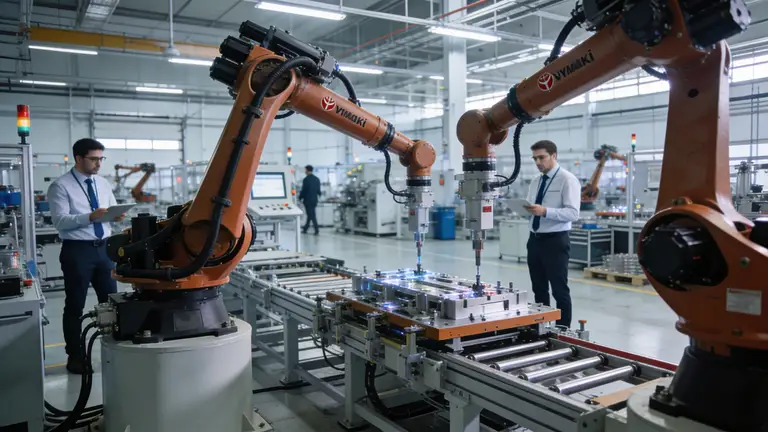
Vestel operates one of Europe’s largest electronics manufacturing facilities in Manisa. The complex produces televisions, monitors, digital set-top boxes, LED lighting, and white goods. Vestel engages in both branded production under its own name and significant contract manufacturing for European and international brands.
The scale of Vestel’s operations creates substantial component demand across categories including display panels, printed circuit boards, power supplies, plastic injection molded parts, and metal fabrications. The company has developed relationships with both international component suppliers and Turkish firms capable of meeting its quality and volume requirements.
Other Significant Players
Additional manufacturers contribute to the sector’s depth. BSH Household Appliances operates production facilities in Turkey as part of its European manufacturing network. Several mid-sized Turkish manufacturers focus on specific product categories or market segments. This diversity creates varied entry points for component suppliers with different product portfolios and capacity levels.
Component and Raw Material Requirements
The electronics and white goods manufacturing sector requires a complex array of inputs ranging from commodity materials to highly engineered components. Understanding this requirement structure helps foreign suppliers identify potential integration opportunities.
Electronic Components and Systems
Modern appliances incorporate increasingly sophisticated electronic systems for control, connectivity, user interface, and energy management. Key component categories include:
- Microcontrollers and processors
- Power management integrated circuits
- Display systems (LCD, LED, touch panels)
- Sensors (temperature, pressure, proximity, load)
- Wireless communication modules (Wi-Fi, Bluetooth)
- Electronic control boards and assemblies
- Wiring harnesses and connectors
- Capacitors, resistors, and passive components
Turkish manufacturers source some of these components domestically, particularly simpler assemblies and passive components. However, advanced semiconductors, specialized sensors, and high-performance displays are predominantly imported from established global suppliers in Asia, Europe, and North America.
Mechanical Components and Sub-Assemblies
White goods manufacturing requires significant volumes of mechanical components:
- Compressors for refrigeration and air conditioning
- Electric motors and pumps
- Bearings and drive systems
- Hinges, latches, and mechanical controls
- Fans and blowers
- Valves and fluid control systems
- Springs, fasteners, and hardware
Turkey has developed domestic production capacity for many mechanical components. Several Turkish firms manufacture compressors, motors, and metal fabrications for the appliance industry. Nevertheless, specialized or high-efficiency components often remain imported, particularly where specific performance standards or certifications are required.
Materials and Semi-Finished Goods
The sector consumes substantial volumes of materials and semi-finished products:
| Material Category | Primary Applications | Sourcing Pattern |
|---|---|---|
| Cold-rolled steel sheet | Appliance cabinets, structural components | Largely domestic |
| Stainless steel | Interior surfaces, drums, aesthetic parts | Mixed domestic/import |
| Aluminum | Heat exchangers, lightweight components | Domestic and import |
| Engineering plastics | Housings, interior components, structural parts | Resins imported, molding domestic |
| Glass | Doors, shelves, cooktop surfaces | Primarily domestic |
| Insulation materials | Thermal and acoustic insulation | Mixed sourcing |
| Paints and coatings | Surface finishing | Domestic and imported specialty products |
Supply Chain Integration Models
Foreign component suppliers can pursue several approaches to integrate into Turkey’s electronics and white goods supply chains, each with distinct advantages and requirements.
Direct Export and Import Distribution
The most straightforward model involves exporting components to Turkey for direct purchase by manufacturers. This approach requires no local investment but depends on competitive pricing including logistics costs, import duties, and working capital considerations.
Turkey’s customs regime applies varying duty rates depending on product classification and origin. Components originating from the European Union enter duty-free under the customs union agreement, creating a significant advantage for EU-based suppliers. Components from other origins face standard tariff rates, though various free trade agreements may provide preferential access.
Successful direct export typically requires establishing relationships with purchasing departments at major manufacturers, demonstrating product quality and reliability, and providing appropriate technical support. Many Turkish manufacturers maintain approved vendor lists and conduct formal supplier qualification processes.
Local Representation and Technical Support
Foreign suppliers often establish local representation through appointed distributors, agents, or their own liaison offices. This model provides closer customer relationships, faster technical response, local inventory options, and better market intelligence without requiring manufacturing investment.
A local presence facilitates participation in supplier development programs, enables quick sampling and prototyping support, and demonstrates commitment to the market. For components requiring technical integration, application engineering, or customization, local technical resources significantly improve competitiveness.
Local Manufacturing and Assembly Operations
For components with sufficient volume, favorable economics, or logistical advantages, foreign suppliers may establish manufacturing or assembly operations in Turkey. This model offers several benefits:
- Elimination or reduction of import duties on finished components
- Lower logistics costs for serving Turkish customers
- Faster delivery and response times
- Access to Turkish free trade agreements for re-export
- Potential cost advantages in labor or utilities for certain processes
- Closer integration with customer product development
Local manufacturing requires more substantial investment and operational commitment. Suitable component categories typically involve significant labor content, high shipping costs relative to value, or customer requirements for local sourcing. Examples might include wiring harnesses, plastic injection molded parts, metal stampings, or assembly of components from imported sub-parts.
Turkey offers various investment incentives that may apply to component manufacturing projects, including reduced corporate tax rates, social security premium support, and investment allowances depending on location and sector priority.
Joint Ventures and Partnerships
Some foreign suppliers enter through partnerships with existing Turkish manufacturers. This approach can provide faster market entry, shared investment, local expertise, and established customer relationships. Potential partners might include Turkish component manufacturers seeking to upgrade capabilities, diversify product lines, or access foreign technology.
Partnership structures vary based on objectives and partner contributions. Technology licensing, contract manufacturing, minority equity participation, or balanced joint ventures represent different points on the collaboration spectrum.
Regulatory and Compliance Considerations
Foreign component suppliers must navigate Turkey’s regulatory environment and manufacturer compliance requirements.
Product Standards and Certifications
Components used in electronics and white goods must comply with applicable Turkish standards and, for exported finished products, destination market requirements. Turkey has adopted many European standards through its customs union relationship, and Turkish manufacturers producing for EU markets require components meeting CE marking and related directives.
Relevant regulatory frameworks include electrical safety standards, electromagnetic compatibility requirements, chemical substance restrictions (RoHS, REACH equivalents), energy efficiency standards, and product-specific regulations. Component suppliers should verify that their products meet applicable standards and maintain appropriate documentation.
Import Procedures and Documentation
Importing components into Turkey requires standard customs documentation including commercial invoices, packing lists, certificates of origin, and product-specific certificates or test reports. Certain product categories may require conformity assessment or additional approvals before customs clearance.
Understanding tariff classification is essential for accurate cost calculation. Turkey uses the Harmonized System for tariff classification, but specific interpretation can affect duty rates. Professional customs support helps ensure correct classification and compliance.
Intellectual Property Protection
Turkey’s intellectual property framework includes patent, trademark, industrial design, and trade secret protection. Foreign suppliers should register relevant IP rights in Turkey and include appropriate confidentiality and IP provisions in supply agreements. While enforcement has improved significantly, practical measures including compartmentalization of sensitive technology and careful partner selection remain prudent.
Market Entry Considerations
Foreign component suppliers evaluating Turkey’s market should assess several practical factors.
Customer Qualification and Relationship Development
Major Turkish manufacturers maintain structured supplier qualification processes. New suppliers typically must demonstrate financial stability, quality management systems (often ISO 9001 or automotive-equivalent standards), technical capability, and production capacity. The qualification process may include facility audits, sample testing, pilot production runs, and gradual volume increases.
Building relationships requires patience and consistent engagement. Decision-making may involve multiple stakeholders across procurement, engineering, quality, and supply chain functions. Face-to-face meetings, facility visits, and regular communication help establish trust and understanding.
Pricing and Payment Terms
Turkish manufacturers operate in competitive markets and maintain cost discipline. Component pricing must reflect total landed cost including all logistics, duties, and local handling. Payment terms vary by customer and supplier relationship, with established suppliers often extending 60-90 day terms while new entrants may face more conservative arrangements.
Currency considerations affect pricing stability. Components priced in foreign currency expose manufacturers to exchange rate risk, while local currency pricing transfers risk to suppliers. Negotiating appropriate mechanisms for significant exchange rate movements can protect both parties.
Logistics and Lead Times
Efficient logistics are essential for component supply. Turkey’s manufacturing clusters are accessible through multiple ports, with major facilities near Istanbul, Izmir, and other coastal locations. Air freight serves high-value, time-sensitive components through Istanbul’s cargo hub.
Lead time expectations vary by component type and manufacturer planning cycles. Standard components may require short lead times and local inventory, while specialized items ordered against production schedules may allow longer procurement cycles. Understanding customer requirements and planning accordingly influences competitiveness.
Sector Outlook and Strategic Considerations
Turkey’s electronics and white goods sector faces both opportunities and challenges that will shape future supply chain requirements. Continued growth in production capacity, particularly for export markets, suggests sustained component demand. Manufacturers’ increasing emphasis on product differentiation, energy efficiency, and smart/connected features drives demand for more sophisticated components and systems.
Global supply chain pressures and geopolitical considerations have prompted some manufacturers to diversify sourcing and reduce dependency on single-region suppliers. This trend may create opportunities for suppliers offering alternative sourcing options or local production capabilities. Simultaneously, manufacturers continue pressing for cost improvements, requiring suppliers to deliver value through innovation, quality, or total cost of ownership rather than unit price alone.
Foreign component suppliers with relevant product portfolios, appropriate scale, and willingness to invest in market development can find significant opportunities within Turkey’s electronics and white goods ecosystem. Success requires understanding customer requirements, meeting quality and compliance standards, offering competitive total cost, and maintaining reliable supply. Whether through direct export, local presence, or manufacturing investment, multiple pathways exist for integration into this established and growing industrial sector.
FDI Consultancy
Ask about this topic
Tell us about your plans in Türkiye. The topic is filled in from this article, and you can edit it. We use these details only to reply. Read the privacy policy.
Message sent
Thank you for reaching out. We will get back to you as soon as possible.