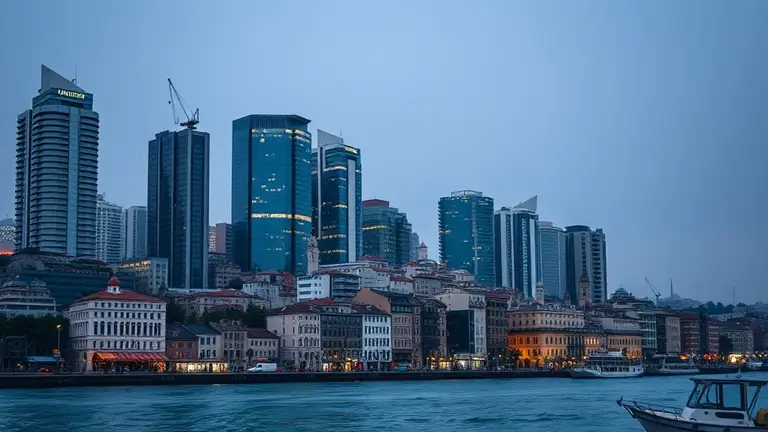
Turkey has established itself as a significant producer and exporter in the global glass and ceramics industry. The country’s strategic geographic position, well-developed manufacturing infrastructure, and competitive production costs make it an attractive destination for foreign investors seeking to establish or expand operations in these sectors. This guide examines the investment landscape, government incentives, production environment, and export opportunities available to companies considering entry into Turkey’s glass and ceramics markets.
Overview of Turkey’s Glass and Ceramics Sector
Turkey’s glass and ceramics industry comprises several distinct subsectors, each with its own competitive dynamics and market characteristics. The glass segment includes flat glass for construction and automotive applications, container glass for packaging, glassware for household and decorative purposes, and specialty glass products. The ceramics sector encompasses ceramic tiles, sanitary ware, tableware, technical ceramics, and refractory materials.
The industry benefits from abundant natural resources, including silica sand, feldspar, kaolin, and clay deposits located throughout the country. Access to these raw materials reduces input costs and simplifies supply chain management for manufacturers. Additionally, Turkey’s established energy infrastructure and improving logistics networks support large-scale industrial production.
Recent years have seen substantial modernization across both sectors, with many facilities adopting advanced manufacturing technologies, automation systems, and quality control processes. This technological upgrading has enhanced product quality and enabled Turkish producers to compete effectively in premium market segments alongside traditional volume-focused production.
Glass Industry Segments and Investment Opportunities
Flat Glass Production
Turkey ranks among the top global producers of flat glass, with modern float glass facilities serving both domestic construction markets and international customers. The flat glass segment supplies the construction sector for architectural applications, the automotive industry for original equipment and replacement glazing, and specialized markets including solar panels and electronics.
Foreign investors entering this segment typically pursue joint ventures with existing producers or greenfield investments in integrated facilities. The capital intensity of float glass production requires substantial upfront investment, but Turkey’s competitive natural gas pricing (a major production input) and access to growing regional markets can support attractive returns.
Recent trends toward energy-efficient and smart glass products present opportunities for technology transfer and specialized production. Companies with expertise in low-emissivity coatings, laminated safety glass, or electrochromic glass may find receptive partners and customers in Turkey’s developing market.
Container Glass and Packaging
Container glass production serves Turkey’s food and beverage industry, pharmaceutical sector, and cosmetics manufacturers. The country’s large domestic market and substantial food processing industry create steady demand for glass packaging, while environmental concerns about plastic waste are driving renewed interest in glass containers.
Investment opportunities exist in both mass-market container production and premium packaging for export-oriented brands. The alcoholic beverage sector, cosmetics industry, and specialty food producers increasingly demand distinctive glass packaging, creating niches for investors with design capabilities and flexible manufacturing systems.
Glassware and Decorative Glass
Turkey has a long tradition of glassware production, combining artisanal techniques with industrial manufacturing. The glassware segment produces drinking glasses, tableware, decorative items, lighting fixtures, and gift products. Much of this production targets export markets, particularly in Europe, the Middle East, and North America.
This segment offers accessible entry points for smaller investors and opportunities for differentiation through design, craftsmanship, and branding. Companies can leverage Turkey’s competitive labor costs and existing craft skills while accessing European markets under favorable customs arrangements.
Ceramics Industry Segments and Production Landscape
Ceramic Tiles
Turkey ranks as one of the world’s leading ceramic tile producers and exporters. The industry encompasses floor tiles, wall tiles, porcelain stoneware, and specialty products for residential, commercial, and industrial applications. Turkish tile manufacturers have invested heavily in digital printing technology, large-format production capability, and innovative surface treatments.
The ceramic tile sector benefits from vertical integration, with many producers controlling raw material sources, body preparation, glazing operations, and finishing processes. This integration provides cost advantages and quality control throughout the production chain.
Foreign investors can engage through capacity expansion at existing facilities, technology partnerships introducing advanced manufacturing processes, or brand licensing arrangements leveraging Turkey’s production efficiency and established distribution networks.
Sanitary Ware
Turkey’s sanitary ware industry produces ceramic bathroom fixtures including toilets, washbasins, bidets, and urinals. The sector has developed strong design capabilities and brand recognition in international markets. Several Turkish sanitary ware companies operate extensive showroom networks across multiple continents.
Investment opportunities span manufacturing facilities serving specific geographic markets, joint development of water-efficient and smart bathroom products, and expansion into complementary product categories such as bathroom furniture and fittings.
Tableware and Hospitality Ceramics
Porcelain and ceramic tableware production serves both retail markets and the hospitality industry. Turkish manufacturers supply hotels, restaurants, airlines, and catering operations globally, alongside consumer-focused brands distributed through retail channels.
This segment allows for differentiation through design collaboration, specialized production techniques, and service-oriented business models tailored to hospitality customers’ requirements. The country’s geographic position enables efficient logistics to major tourism markets in Europe, the Middle East, and Central Asia.
Government Incentives and Support Mechanisms
Turkey operates a comprehensive investment incentive system designed to attract capital, encourage regional development, and support strategic sectors. The glass and ceramics industry can access several incentive schemes depending on project characteristics, location, and investment scale.
Investment Incentive Program
The Ministry of Industry and Technology administers investment incentive certificates that provide various support measures. The program divides Turkey into six regions based on development level, with more generous incentives available in less-developed areas. Glass and ceramics projects may qualify for:
- VAT exemptions on imported machinery and equipment
- Customs duty exemptions for imports used in manufacturing
- Income tax withholding allowances reducing corporate tax liability
- Social security premium support covering employer contributions
- Land allocation at subsidized rates in organized industrial zones
- Energy cost support in qualifying regions
The specific benefits depend on minimum investment thresholds (which vary by region), employment creation commitments, and whether the project qualifies for strategic, regional, or general incentive tracks.
Strategic Investment Facilitation
Large-scale projects meeting minimum investment criteria and strategic importance standards can receive additional support through the Strategic Investment Incentive scheme. These projects benefit from enhanced incentives, expedited permitting processes, and dedicated coordination support from government agencies.
Glass and ceramics investments may qualify as strategic if they incorporate significant technology transfer, serve critical industries such as automotive or renewable energy, or establish production capacity for products currently imported in large quantities.
Technology Development Zones and Industrial Parks
Locating within organized industrial zones provides access to prepared land with established infrastructure, simplified permitting, and clustering benefits near suppliers and customers. Technology development zones offer additional tax advantages for R&D-intensive activities, though these primarily benefit specialty glass and technical ceramics applications rather than commodity production.
Export-Oriented Investment Benefits
Companies committing to export significant portions of their production can access additional support through Inward Processing Regimes, which allow duty-free importation of inputs incorporated into exported products. Free trade zones provide customs and tax advantages for export manufacturing, though recent regulatory changes have reduced some traditional benefits.
Export Markets and Trade Relationships
Turkey’s geographic position and trade agreements provide access to diverse export markets spanning Europe, the Middle East, North Africa, Central Asia, and beyond. Understanding these market access conditions is essential for investors planning export-oriented operations.
European Union Market Access
The EU represents Turkey’s largest export destination for glass and ceramics products. The Customs Union between Turkey and the EU eliminates tariffs on industrial goods, providing Turkish manufacturers with competitive access to European markets. This arrangement particularly benefits sectors where logistics costs are significant relative to product value.
However, Turkish products must comply with EU technical standards, safety regulations, and certification requirements. Many glass and ceramics manufacturers maintain quality management systems certified to international standards and conduct regular third-party testing to demonstrate compliance.
Middle East and North Africa
Regional markets absorb substantial volumes of Turkish glass and ceramics, particularly construction-related products such as flat glass, ceramic tiles, and sanitary ware. These markets value Turkey’s combination of competitive pricing, adequate quality levels, cultural familiarity, and geographic proximity enabling responsive delivery.
Political relationships and economic conditions in these markets can fluctuate, requiring diversification across multiple countries to manage concentration risk. Currency volatility and payment terms also require careful attention in regional trade.
United Kingdom Post-Brexit
The UK-Turkey Free Trade Agreement maintains preferential access following Brexit, preserving important market access for Turkish exporters. The UK market is significant for ceramic tiles, glassware, and specialty glass products, with established distribution relationships and brand presence among Turkish suppliers.
Emerging Markets and Diversification
Turkish glass and ceramics exporters have expanded presence in markets including the United States, Russia (subject to current geopolitical conditions), African countries, and emerging Asian economies. These diversification efforts reduce dependence on any single market and position Turkish suppliers to capitalize on infrastructure development and rising consumption in growing economies.
Trade agreements and preferential arrangements with various countries support this market diversification strategy, though exporters must navigate varying technical standards, certification requirements, and competitive landscapes across different regions.
Production Considerations and Operating Environment
Raw Material Availability
Turkey possesses substantial reserves of key raw materials for glass and ceramics production. Silica sand deposits suitable for glass manufacturing are found in multiple regions. Feldspar, kaolin, and various clay types used in ceramics production are similarly available domestically, reducing dependence on imported materials and improving cost competitiveness.
Access to these materials does require attention to mining permits, environmental compliance, and logistics for transportation from extraction sites to manufacturing facilities. Many established producers have secured long-term raw material sources through owned or contracted reserves.
Energy Costs and Availability
Both glass and ceramics manufacturing are energy-intensive processes requiring reliable natural gas and electricity supplies. Turkey’s energy market has seen significant infrastructure investment in recent years, improving reliability and expanding capacity. Natural gas is supplied through pipeline networks connected to multiple source countries, providing reasonable supply security.
Energy costs in Turkey are generally competitive compared to European manufacturing locations, though higher than some Middle Eastern and Central Asian countries benefiting from domestic hydrocarbon production. Large industrial consumers can negotiate supply contracts and may benefit from regional incentive programs providing energy cost support.
Labor Force and Skills
Turkey offers a large and comparatively young workforce with established industrial manufacturing experience. The glass and ceramics sectors have operated in Turkey for decades, creating accumulated skills and training infrastructure. Technical vocational schools and university programs provide trained personnel, though specialized skills for advanced manufacturing technologies may require supplementary training programs.
Labor costs in Turkey fall below Western European levels while exceeding those in many Asian manufacturing locations. Productivity levels, quality consciousness, and workforce stability should factor into comparative assessments alongside wage rates.
Regulatory and Compliance Framework
Foreign investors must navigate Turkey’s business registration requirements, industrial permits, environmental compliance, occupational safety regulations, and tax obligations. The investment incentive system provides coordination support for projects receiving incentive certificates, helping facilitate permit processes across multiple agencies.
Environmental regulations governing emissions, wastewater treatment, and solid waste management require appropriate compliance measures. Modern manufacturing facilities typically incorporate environmental controls as integral components of production systems, ensuring regulatory compliance while meeting customer expectations for sustainable production practices.
Market Entry Strategies and Partnership Approaches
Foreign investors enter Turkey’s glass and ceramics sectors through various structures depending on strategic objectives, risk tolerance, and resource commitments. Common approaches include:
Greenfield Investment: Establishing new production facilities provides complete control over technology selection, facility design, and operational practices. This approach requires substantial capital commitment and development time but enables optimization for specific market targets and production strategies.
Joint Ventures: Partnering with established Turkish manufacturers can provide market knowledge, existing customer relationships, distribution networks, and shared risk. Joint ventures work well when partners contribute complementary capabilities, such as technology and manufacturing expertise from the foreign investor combined with market access and local operational knowledge from the Turkish partner.
Acquisitions: Purchasing existing facilities or companies provides immediate production capacity, workforce, customer base, and market presence. Turkey’s glass and ceramics sectors include family-owned businesses where succession considerations may create acquisition opportunities for investors offering capital, technology, and international market access.
Licensing and Technical Partnerships: Companies with proprietary technologies, processes, or brands may engage through licensing arrangements or technical assistance agreements with Turkish manufacturers. This approach requires lower capital commitment while generating revenues from intellectual property and potentially creating sourcing options for other markets.
Closing Perspective
Turkey’s glass and ceramics industry presents substantive opportunities for foreign investors seeking manufacturing platforms with access to diverse markets. The combination of natural resource availability, established industrial infrastructure, competitive production costs, and preferential market access creates advantages across multiple product segments. Government incentive programs provide tangible financial benefits that can enhance project returns, particularly for investments in less-developed regions or strategic product categories. Investors conducting thorough due diligence on specific subsectors, potential partners, and target markets can identify attractive entry points into this significant manufacturing sector. Success requires realistic assessment of competitive dynamics, careful attention to operational fundamentals, and strategic alignment between Turkey’s capabilities and the investor’s broader objectives.
FDI Consultancy
Ask about this topic
Tell us about your plans in Türkiye. The topic is filled in from this article, and you can edit it. We use these details only to reply. Read the privacy policy.
Message sent
Thank you for reaching out. We will get back to you as soon as possible.